According to WebAIM, nearly 96% of the world’s top websites have accessibility issues. One of the most common is missing or poorly written alt text. That means a simple, free fix could already put your site ahead of most of the internet.
Why does alt text matter?
If a customer has a disability or disadvantage, such as visual impairments, it diminishes the value of their experience on your website. Screen readers can’t read images without alt text. Bad experience = loss of customer. Here’s more on that …
What is alt text?
Alt text exists to make the web more accessible. It allows screen readers to describe images to people who are blind or visually impaired, and it ensures that if an image doesn’t load, the message behind it isn’t lost. But beyond accessibility, alt text also affects how search engines rank your site, how your emails display in inboxes, and even how your content appears when shared on social media.
In short, alt text connects your visuals to both humans and technology. When written well, it improves usability, boosts visibility in search results, and helps create a more inclusive online experience.
Let’s explore how something as simple as a few words of description can improve accessibility, strengthen SEO, and enhance your digital marketing performance.
1. Accessibility
Primary purpose: Alt text ensures that people using screen readers (such as those who are blind or visually impaired) can understand what’s shown in an image.
The screen reader reads the alt text aloud, describing the visual so the user gets the same context as sighted visitors.
It also helps when images fail to load. Users can still see the description in place of the image.
2. SEO (Search Engine Optimization)
Search engines can’t “see” images, so they rely on alt text to understand what an image represents.
Properly written alt text improves your site’s image search visibility and can help boost overall SEO by reinforcing keyword relevance.
For e-commerce or content-heavy sites, optimized alt text can drive traffic from Google Images or other visual search platforms.
3. Email Deliverability and Engagement
In email campaigns, many users have images turned off by default. Alt text acts as a backup message, ensuring key information or calls-to-action still appear.
Thoughtful alt text can also encourage clicks. For example, describing a product benefit or offer instead of just saying “Product image.”
4. Social Media Sharing
When images are shared on platforms like Facebook, LinkedIn, or X, alt text or embedded metadata can influence how previews are generated, helping you control your brand presentation.
5. Legal and Compliance
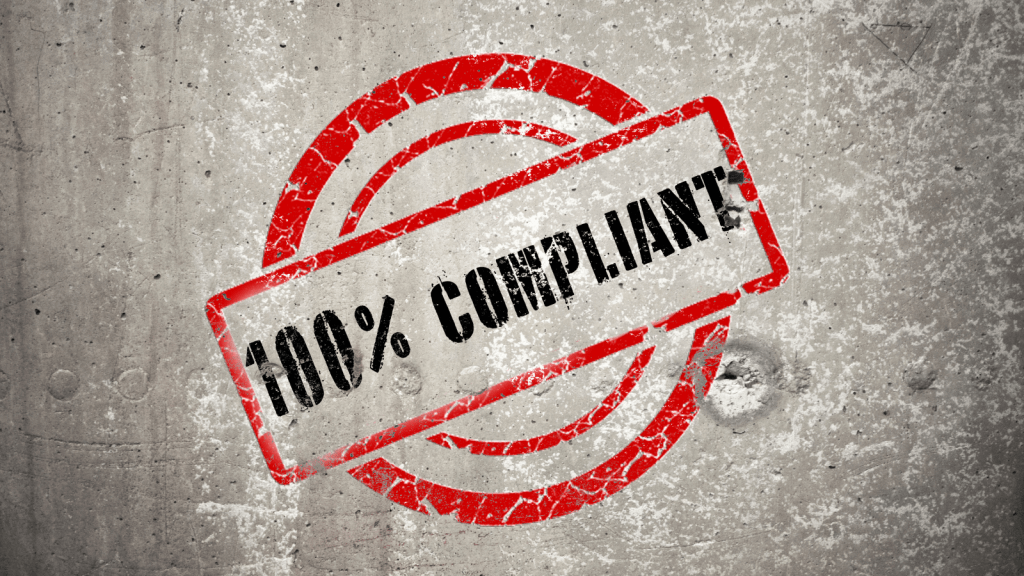
Adding alt text helps meet ADA (Americans with Disabilities Act) and WCAG (Web Content Accessibility Guidelines) requirements, reducing risk of accessibility-related lawsuits.
Making Every Image Count
Adding alt text might feel like a small step, but it creates a big difference in how your website performs and how people experience your content. From improving accessibility for all users to strengthening SEO and supporting email engagement, it’s one of the simplest ways to boost both visibility and credibility.
If you’re unsure where to start or want to make sure your website is fully optimized, Dettmann Media can help. We specialize in creating digital strategies that blend accessibility, design, and performance, helping businesses grow through smarter, more inclusive marketing.










Leave a comment